Planet A
My Role
Product Designer & Project Manager
Applied Tools
Claude Code, Figma, Maze, Confluence
Completed Features
Design System
Search
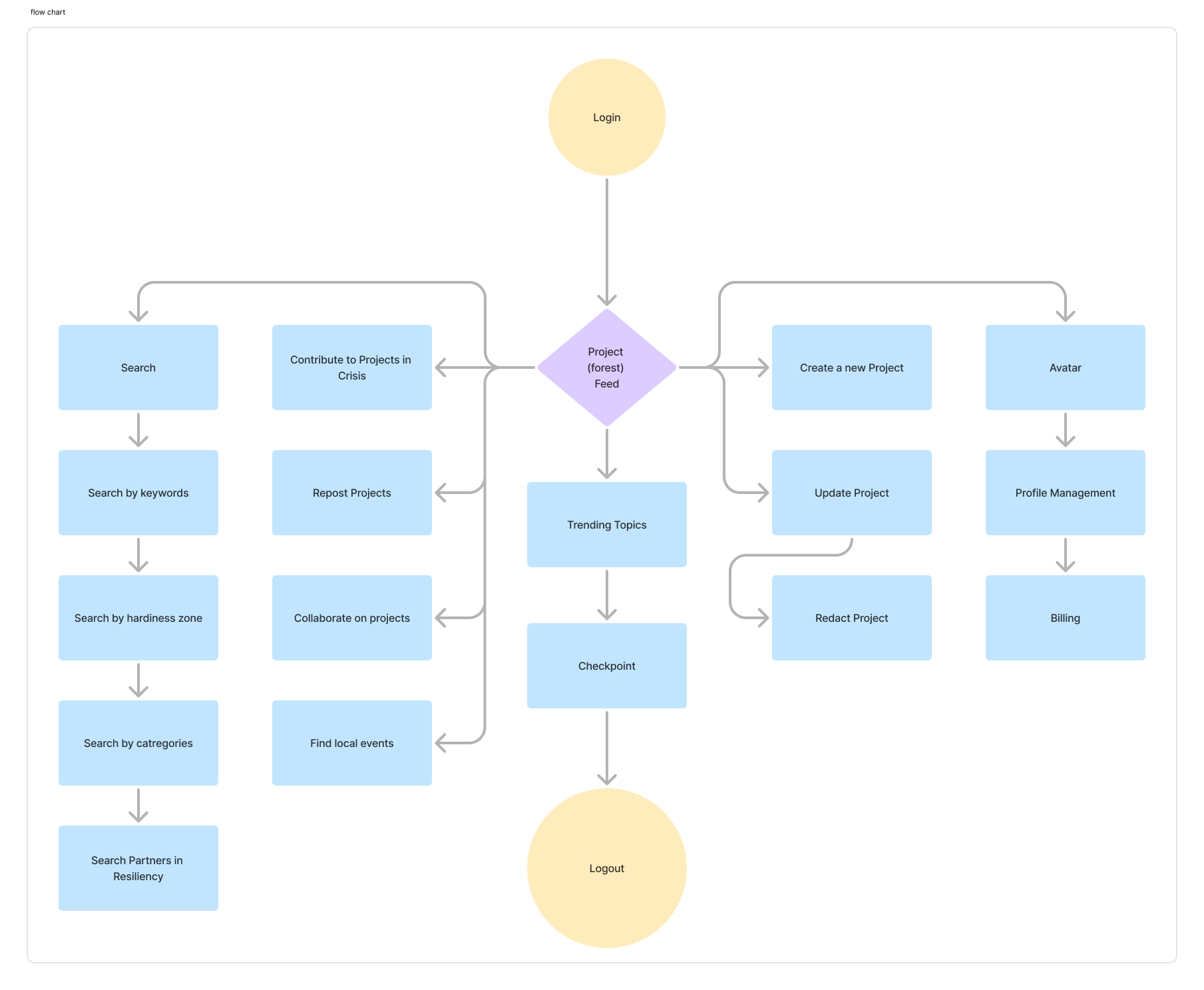
Partners in Resiliency workflow
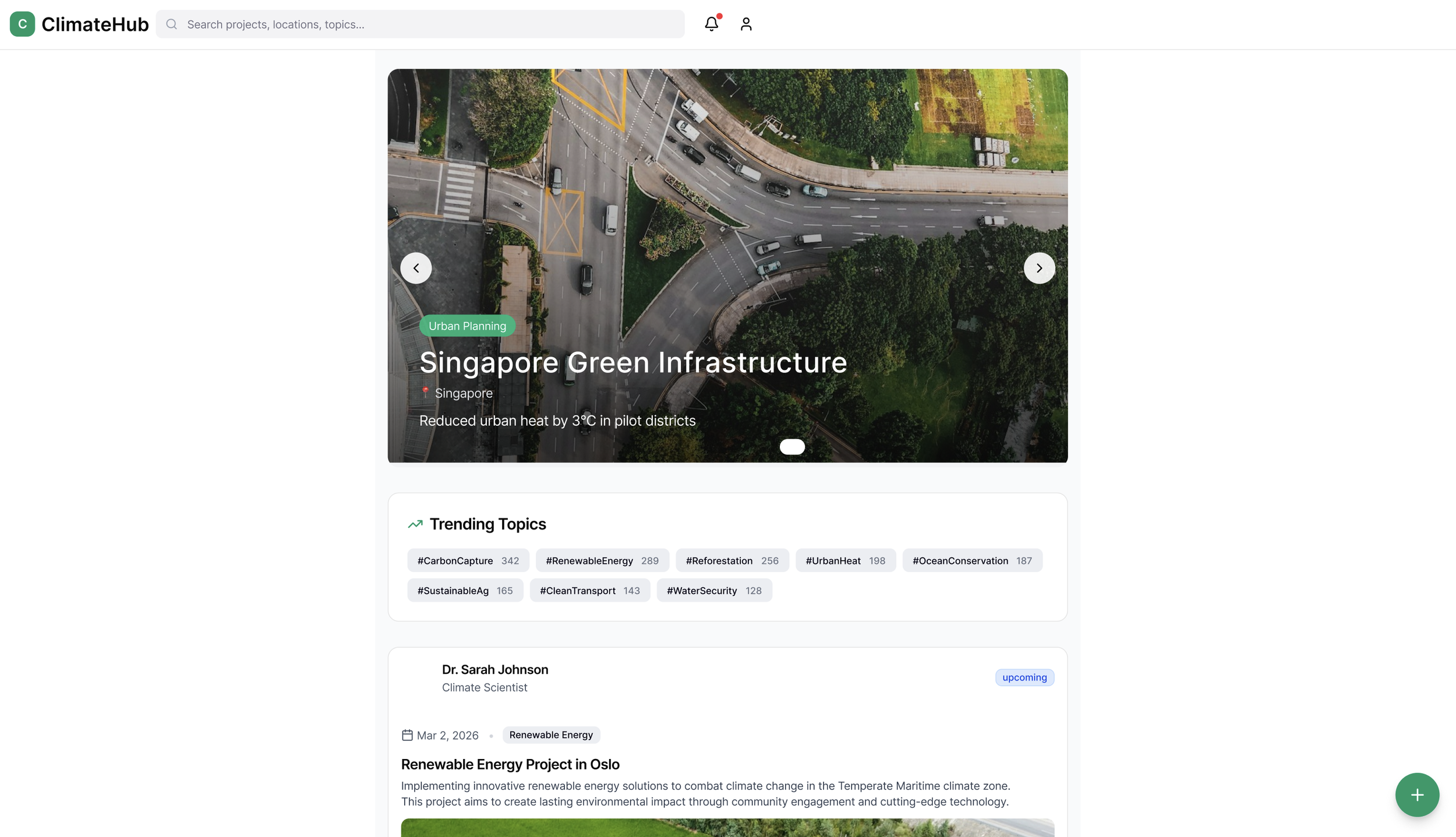
Homepage Feed
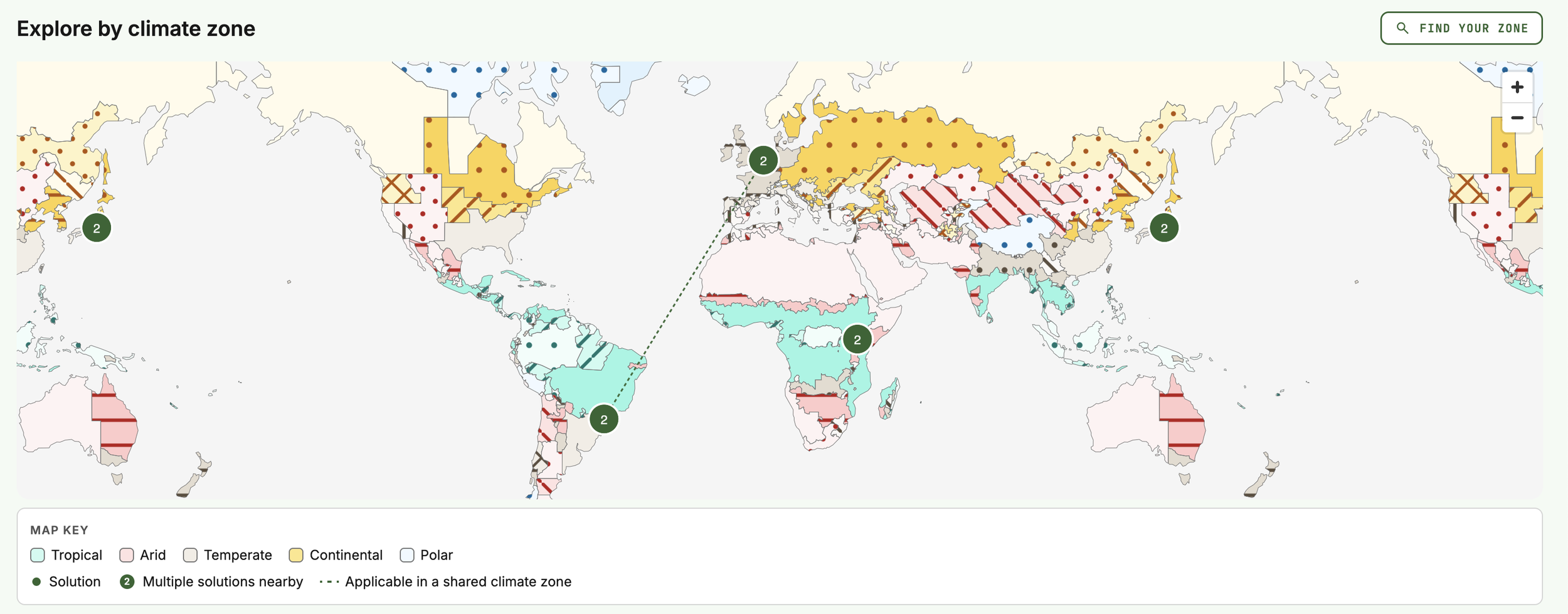
Climate Zone Map Architecture
Duration
September 2023 - October 2024
The What
Planet A’s mission is to capture and compile a repository of climate change solutions to create a replicable and scalable field guide.
The Why
Planet A’s origin story began with frustration for lack of applicable solutions to combat climate change. Organizations that are doing the work require specialization to get involved, or are outside of the average individual’s community, resulting in inaction and culminating dread.
However, organizations across the globe in a variety of languages are discovering solutions that can be replicated and scaled. These solutions are undiscovered if hidden behind linguistic barriers.
While there is no silver bullet to stop climate change, Planet A provides field guides of replicable, scalable, climate solutions to fortify our communities.
The Constraints
1 sprint for discovery and ideation
1 sprint for iteration and MVP release
No engineering team
The Tools
Claude Code
Figma
Design
Make
Figjam
Phase 1 - Discovery
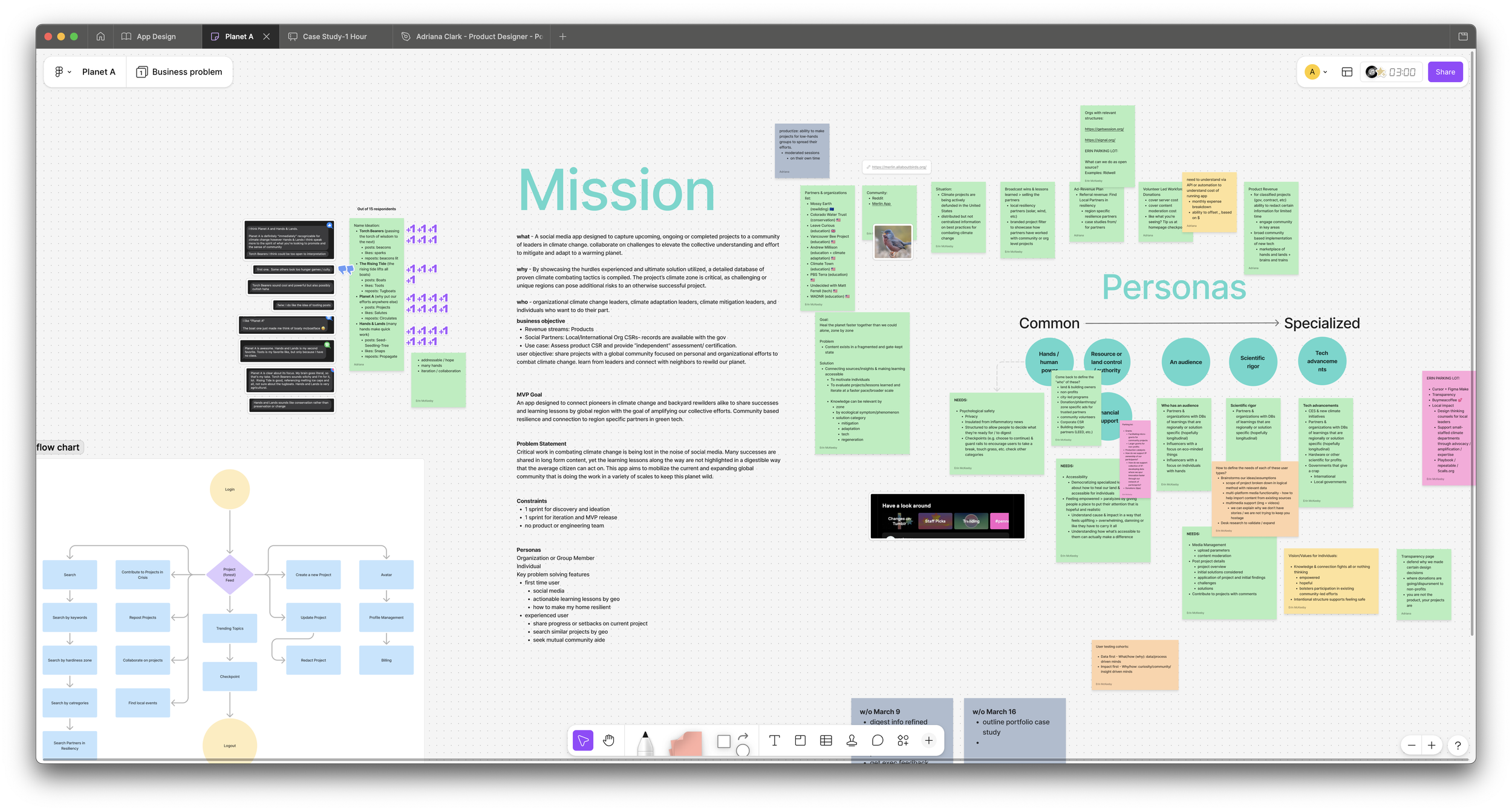
Planet A began with an idea for a social media app centered on climate change. The idea of many hands make light work met its first obstacle in terms of impact: how does the average individual contribute? Who should be providing the field guide criteria?
Once the user types were narrowed down, what they aimed to achieve on Planet A and how was next. Who is in the sector, and how do they influence user expectations?
Finally, how would Planet A meaningfully grow as the community and solutions repository expanded.
Phase 2 - Define Project Scope
With all the research laid out, what needed to be true from day one to make the application usable had to be narrowed in scope:
Collect project details
Find solutions
Apply solutions at scale
In order to make these workflows seamless, an MVP design system had to be created. With my experience in design systems, this was built to WCAG AA requirements and followed all of NNG’s guidance on usability.
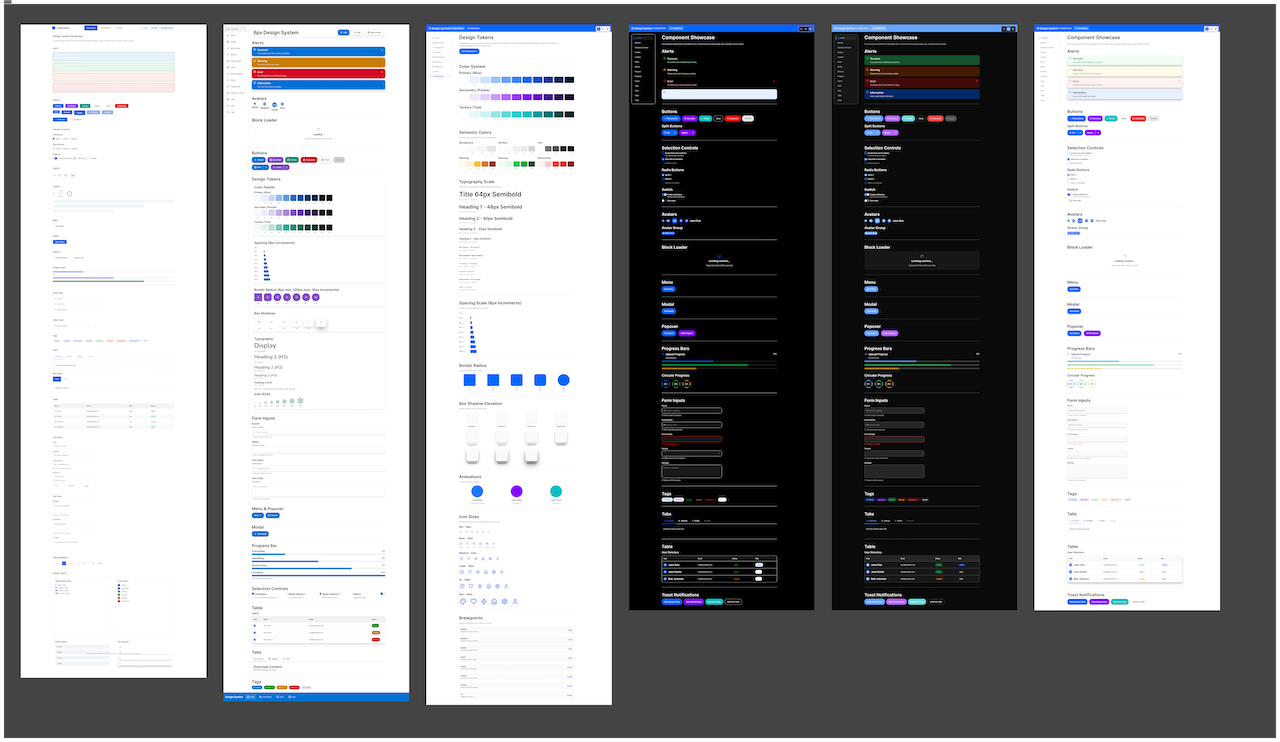
Design System Evolution
Initially testing Figma Make and Claude Code, I found CC to be more reliable. I built and maintain Planet A’s design system, a Storybook-documented library of about 50 components on a token architecture with light, dark and high-contrast themes. I treated it as a product with written rules. Tags are informational and chips are interactive. Monospace type marks controls and sans-serif marks content.
Later, an information-architecture review showed the left sidebar was a leftover from the five-item era, taking up to 23% of the screen width, so I moved the app to a top-nav pattern. I also made the system direction-aware and multi-script, ready for right-to-left languages and non-Latin type.
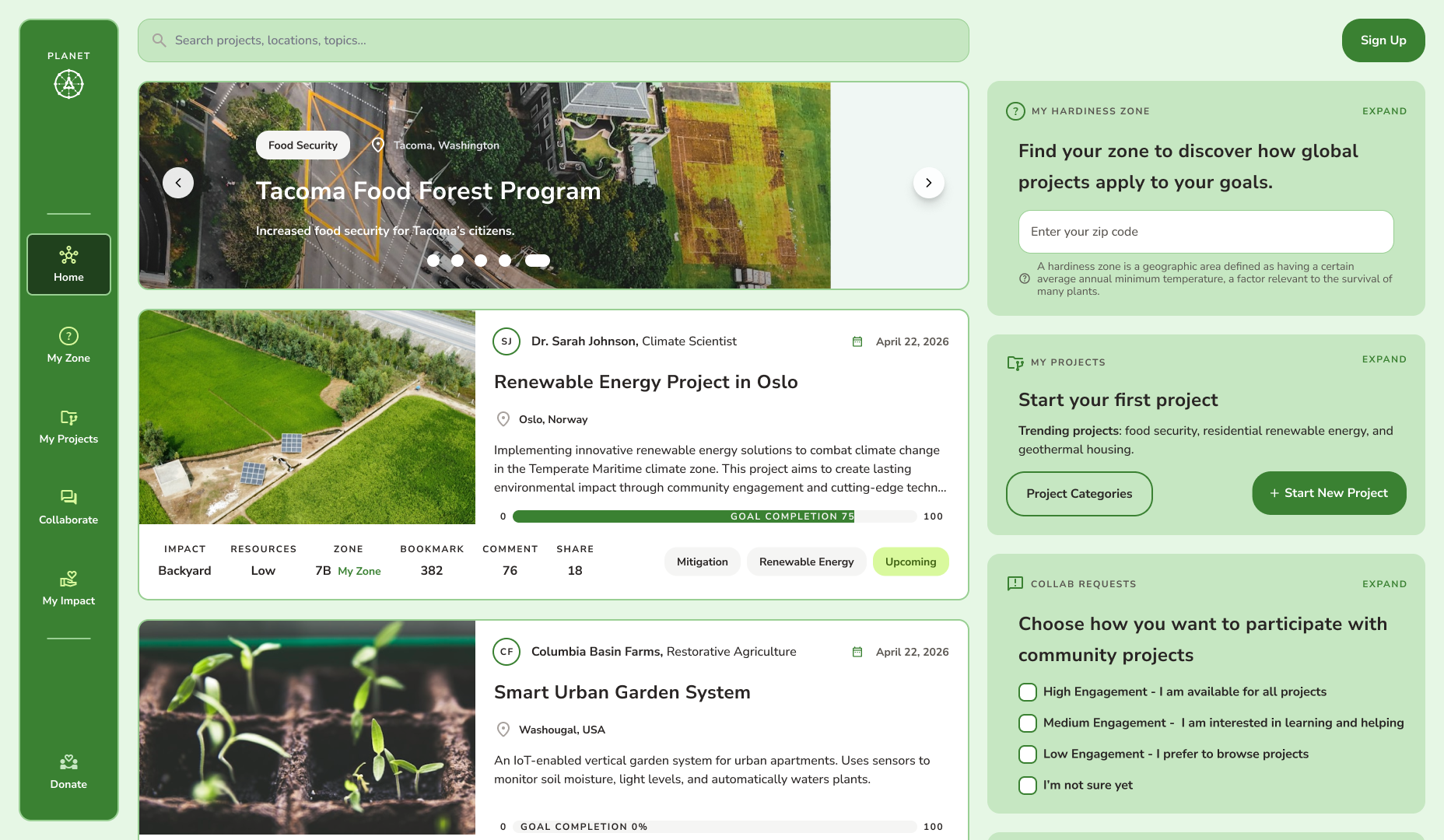
Phase 3 - Design & Develop
Utilizing AI tools in my design process empowered me to directly build a usable design system to spec. I used NNG’s usability guidance, WCAG’s accessibility requirements, and narrowed the scope of components by actions to be completed.
With a usable design system, I provided both written and designed instructions to create a branded look and feel.
The first version was a social platform for individuals, with feeds, personal projects, collaboration and impact dashboards. Early usability sessions on the live product changed the direction of work. Participants questioned why individuals were uploading projects at all.
That led to a pivot: organizations publish structured, replicable case studies, and individuals browse, learn and ask questions.
I shipped Planet A as a production web app: a Next.js 14 and Supabase monorepo deployed continuously on Vercel, delivered through about 170 reviewed pull requests over three months.
Following my PRD’s success metric, solving climate problems “without language as a barrier,” the interface is fully localized in six languages, with right-to-left Arabic and Urdu in final review. My working rule was to verify every release live in production. That habit caught real defects that code review missed, including recursive database security policies, silently failing file deletes, and HiDPI rendering bugs.
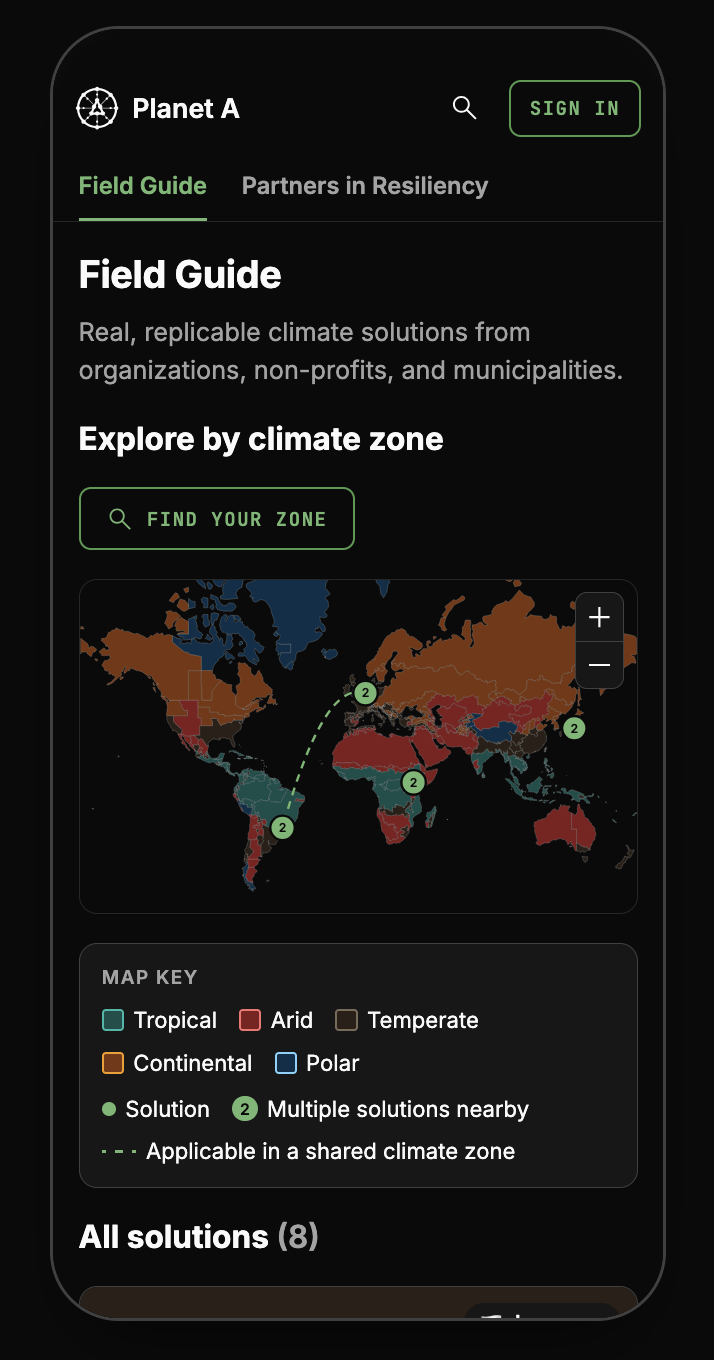
Learning Lessons Along the Way
Planet A has been a phenomenal experience in merging product, design and engineering into one role.
Writing clearly has never been more important
Measurable framesets remove repeat tasks and increase accuracy
Always test early!